10 Mistakes Expats Make When Moving to the Philippines

Every year, thousands of foreigners move to the Philippines. Most settle in fine. Some learn the hard way. The mistakes are rarely new, and almost all of them can be avoided if you ask the right questions beforehand.
Here are the ten we see most often.
1. Buying too soon
The classic. Someone spends two weeks on holiday in Cebu or Dumaguete, falls in love with the place, and three months later signs a purchase contract. Without having lived there. Without having seen the rainy season. Without knowing what normal days actually look like.
Our rule: rent for at least six months before you buy. Twelve is better. Property in the Philippines isn't going anywhere. People who buy before they know a place often regret it, and selling here can take a long time.
2. Picking the wrong place
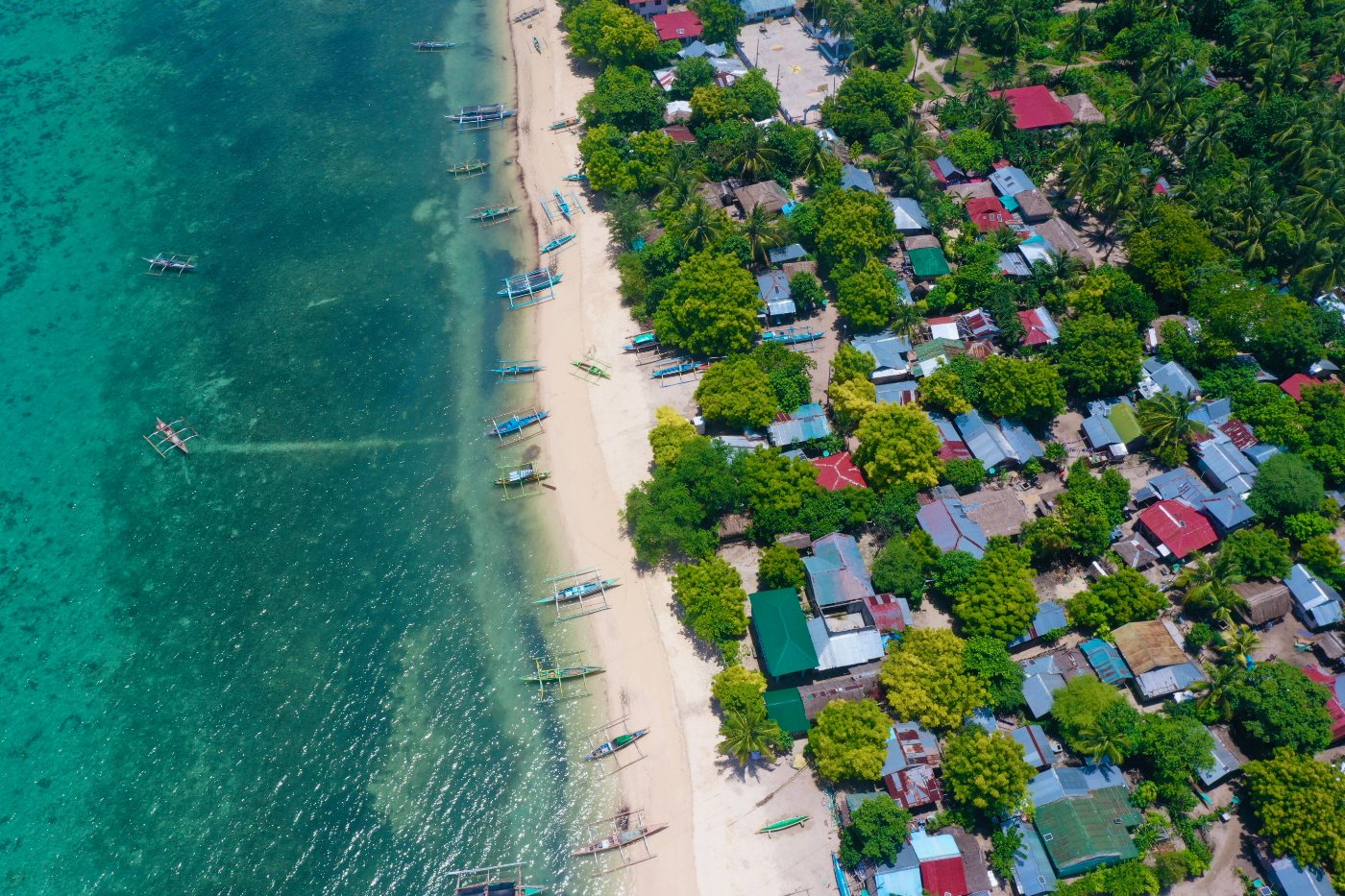
Not every island suits every person. If you rely on regular medical care, Dumaguete with Silliman University Medical Center gives you more options than Siquijor or Camiguin. If you need quick flights home, Cebu or Manila make more sense than Siargao. If you want quiet provincial life, Metro Manila isn't it.
The Philippines has more than 7,000 islands, and each one is different. Knowing one of them doesn't mean you know the country.
3. Underestimating health care
This one gets underestimated most, and it has the most serious consequences. There are excellent private hospitals in Manila, Cebu and Davao. Outside the big cities it thins out. On many islands there's one provincial hospital: fine for routine cases, not for emergency surgery or specialist treatment.
If you have heart problems, need dialysis or see a specialist regularly, check first whether that care exists where you want to live. Then decide. Private health insurance is a must. PhilHealth on its own doesn't go far enough. International expat policies can cost anywhere from about USD 100 to well over 300 a month, depending on age and pre-existing conditions.
4. Budgeting too tight
A lot of people budget based on what they spent on holiday. That doesn't work. Daily life comes with costs you don't see as a tourist.
Electricity is the big one. At around PHP 10–14 per kWh, it's not cheap by Asian standards, and air-conditioning here doesn't run for two hours in the evening. It often runs day and night. One unit draws about 1 to 1.5 kW. Cool three rooms and you can easily pay PHP 3,000 to 8,000 or more a month just for power. Add health insurance, flights home, local taxes, transport and visa extensions.
Realistic monthly budgets:
| Lifestyle | Single | Couple |
|---|---|---|
| Simple, local | PHP 25,000–35,000 | PHP 40,000–55,000 |
| Moderate, Western comforts | PHP 45,000–65,000 | PHP 70,000–100,000 |
| Comfortable, with savings | PHP 80,000+ | PHP 120,000+ |
On top of that come one-off start-up costs: deposits, furniture, visa paperwork, legal fees. If you arrive without a solid cushion of savings, there's no buffer for anything unexpected.
5. Leaving the visa until later
Most nationalities get 30 days on arrival, which can be extended at the Bureau of Immigration, up to 36 months in total for many passports. That sounds comfortable, but every extension means time, fees and a trip to the office. If you plan to stay, sort out a proper long-term visa early.
| Visa | Requirement | Validity | Good to know |
|---|---|---|---|
| SRRV (retiree visa) | From age 40; deposit depends on age and pension (e.g. USD 15,000 at 50+ with pension) | Indefinite | No yearly renewal |
| 13A (spouse of a Filipino) | Marriage to a Filipino citizen | 1 year probationary, then permanent | No separate work permit needed |
| Extended tourist visa | No special requirements | Up to 36 months for many nationalities | Regular extensions, no residency |
Also worth knowing: the SRRV is issued by the Philippine Retirement Authority (PRA), not the Bureau of Immigration. Mix that up and you'll be queuing at the wrong counter.
6. Underestimating cultural differences
The Philippines looks very Western at first: English, churches, American pop culture. Don't be fooled. Underneath, a lot works differently.
A few things that regularly surprise newcomers:
- "Filipino time": Appointment times are a rough guide. If that drives you mad, you'll be frustrated for a long time.
- Face: Criticising someone directly, getting loud or arguing in public is seen as deeply disrespectful, and people remember it. That goes for neighbours, landlords and officials.
- Family comes first: Always. If you employ staff or tradespeople, plan for it.
- The barangay: The local neighbourhood government isn't just paperwork. It has real influence on daily life. A good relationship with the barangay captain pays off.
7. Buying without due diligence
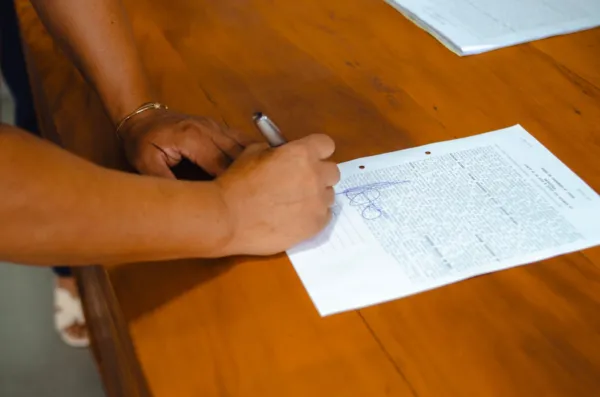
Fake titles, land sold twice, unsettled inheritances: these aren't rare exceptions. Buying without checking the title at the Registry of Deeds first is like playing Russian roulette with your savings.
Before any purchase: get a Certified True Copy of the TCT or CCT from the Registry of Deeds yourself (not from the seller), check the encumbrances on the back, and look up the zonal value at the BIR. A lawyer for proper due diligence costs roughly PHP 15,000–50,000. Cheap compared to what happens if you skip it. More in our guide on land titles in the Philippines.
8. Ignoring taxes and registrations
If you live in the Philippines, you have tax obligations here too. Rental income is taxable. If you run a business, even a small one, you need to register with the Bureau of Internal Revenue (BIR) and, depending on the structure, with the DTI or SEC. Ignore that and you risk back taxes and penalties.
There are accountants in Dumaguete and Cebu who work with foreigners. They cost far less than the consequences of not registering.
9. Not building a social network
The first months often go well. Everything is new and exciting. After six to twelve months, many people hit a dip. Friends and family back home are far away, and a new circle hasn't formed yet.
Dumaguete, Cebu and Davao all have active expat communities, from all over the world. These networks aren't a luxury. They're how you find a good doctor, lawyer or plumber, and how you learn which office to go to. If you get involved, everything gets easier.
10. No plan B
What if it doesn't work out? If your health gets worse, the relationship ends, or the money runs out faster than expected? Without a plan B, you can suddenly find yourself stuck with no options.
Plan B isn't pessimism. It means savings for a flight home and the first months back. Renting instead of buying in the first years. Health insurance that covers medical evacuation. And keeping your documents back home valid.
Frequently asked questions
How much money do I need to start?
As a rough rule: solid savings for emergencies and start-up costs, plus a reliable monthly income (pension, remote work, investments) of at least USD 1,500. Below that, every unexpected doctor's bill or flight home becomes a problem.
Which visa is best for a long stay?
For many retirees it's the SRRV from the Philippine Retirement Authority: no end date, no yearly renewal. Requirements: at least 40 years old and a deposit that depends on age and pension.
Can I work in the Philippines as a foreigner?
Only with an Alien Employment Permit (AEP) from the Department of Labor and Employment (DOLE), unless you're exempt, for example as a 13A permanent resident. Working without permission can lead to deportation.
How do I find a trustworthy real estate agent?
Licensed brokers are registered with the Professional Regulation Commission (PRC), and you can check the licence online. Salespeople have to be accredited and work under a licensed broker. Check credentials, ask for references, and never work without a written agreement.
Is it safe to live in the Philippines?
In most places where expats live (Dumaguete, Cebu, Bohol, Davao) yes. Use common sense, don't show off wealth, and keep good relations with your neighbours. Some areas in Mindanao have their own risks. Check the current situation before you go there.
Sources
- Philippine Retirement Authority (PRA) – SRRV.
- Bureau of Immigration – visa extensions and long-stay options.
- Bureau of Internal Revenue (BIR) – tax obligations for foreign nationals.
- Professional Regulation Commission (PRC) – licence verification for real estate brokers.
- Land Registration Authority (LRA) – title verification.
- Department of Labor and Employment (DOLE) – Alien Employment Permit.
- PhilHealth – national health insurance.
Bottom line
Most of these mistakes don't happen because people are careless. They happen because of too much excitement and too little preparation. The Philippines is a great place to live, but it runs on its own rules. Learn them early and life gets a lot easier.
Genessa Nacional of Filipino Homes helps you ask the right questions before you sign anything. From choosing the area to checking the title, local knowledge saves time, money and nerves.