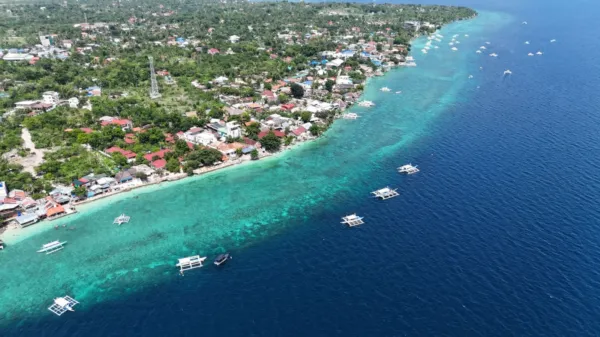
Best Beaches in Negros Oriental

Negros Oriental doesn't have the Instagram crowds of Palawan or the party scene of Boracay. That's exactly the point. The beaches here are quieter, the water is clean, and you can actually hear yourself think. For expats living in or around Dumaguete, these beaches are an easy weekend escape – sometimes just a short tricycle or habal-habal ride away. For buyers considering a property in the region, the proximity to good beaches without the chaos is one of the strongest arguments for choosing Negros Oriental over more hyped destinations.
Here's what you actually need to know about the best beaches in the province – where they are, what they're like, and who they suit.
| Beach / Area | Distance from Dumaguete | Type | Best For |
|---|---|---|---|
| Apo Island | ~30 km south (boat from Malatapay) | Island, coral reef | Divers, snorkelers, nature lovers |
| Dauin Marine Sanctuary | ~20 km south | Black sand, muck diving | Divers, quiet beach stays |
| Manjuyod Sandbar | ~60 km north | Tidal sandbar | Day trippers, photographers |
| Basay | ~100 km south | White sand, remote | Those who want true isolation |
| Tambobo Bay | ~25 km south | Sheltered cove, resort area | Expats, retirees, property buyers |
| Zamboanguita | ~35 km south | Local beach, calm waters | Budget travelers, laid-back stays |
Apo Island – The Crown Jewel
Apo Island is not a beach destination in the typical sense. It's a marine sanctuary, and one of the most impressive in Southeast Asia. The coral here is in genuinely good condition – something you can't say about a lot of Philippine diving spots anymore. Sea turtles are common. You'll often see them on a snorkel, not just a dive.
Getting there takes about 30 to 45 minutes by outrigger boat from the Malatapay port in Zamboanguita. Boats run regularly on market days (Wednesdays), but you can arrange a boat any day for around PHP 1,500 to PHP 2,500 for a group. Entry fees apply: the Apo Island Marine Reserve charges a visitor fee, currently around PHP 200 to PHP 300 per person, plus dive fees if you're going underwater.
Day trips are the norm. There's limited accommodation on the island – basic guesthouses only. Electricity is restricted. If you want comfort, base yourself in Dauin or Dumaguete and take the boat out in the morning.
Who it suits: Divers, snorkelers, and anyone who wants to see a functioning reef ecosystem. Not ideal if you have mobility issues – the boat is a wet landing onto a rocky shore.
Dauin – The Diver's Basecamp
Dauin is about 20 kilometers south of Dumaguete along the national highway. The beach itself is black volcanic sand – don't expect the postcard white sand look. But that's not why people come here. They come for the muck diving. The sandy bottom in front of Dauin's marine sanctuaries is home to an extraordinary variety of macro life: frogfish, ghost pipefish, blue-ringed octopus, nudibranchs. It's consistently ranked among the best muck diving sites in the world.
Several well-run dive resorts operate here – Atmosphere Resorts, El Dorado Beach Resort, and Mike's Dauin Beach Resort are among the better-known ones. These aren't budget guesthouses. Atmosphere in particular is a high-end property with rates to match. But the quality is there.
For expats and retirees, Dauin is also worth knowing because it's a quiet, low-density area. Some expats have chosen to live here rather than in Dumaguete itself – you get more space, less noise, and you're still only 20 to 30 minutes from the city's hospitals, malls, and services.
Who it suits: Divers, couples, retirees who want a quieter base with easy city access. Not for people who need white sand beaches or nightlife.
Manjuyod Sandbar – Worth the Drive
The Manjuyod Sandbar sits about 60 kilometers north of Dumaguete, in Manjuyod municipality. It's a tidal sandbar that appears above water during low tide – a long, white strip of sand in the middle of the Bohol Sea. The effect is genuinely striking. At high tide, it's mostly submerged.
You reach it by boat from the Manjuyod town proper area. Local boatmen charge around PHP 800 to PHP 1,500 for the trip depending on group size and negotiation. Check tide tables before you go – arriving at high tide means there's nothing to see. Low tide windows are typically in the morning.
There's a small resort structure on the sandbar with basic huts. Overnight stays are possible but very basic. Most visitors do day trips.
The drive north from Dumaguete on the national road takes about 1.5 to 2 hours. The road is generally fine, though traffic through some municipalities can slow you down.
Who it suits: Day trippers, photographers, anyone looking for a scenic excursion. Not a beach destination for swimming or snorkeling – it's about the visual experience.
Tambobo Bay – The Expat Favorite
Tambobo Bay is a sheltered cove about 25 kilometers south of Dumaguete, in the Siaton area. It's calm, protected, and noticeably less visited than the more-known spots. Several small resorts and private properties sit along the bay. The water is clear, the setting is green and hilly, and the pace is extremely slow.
This is one of the areas where foreign retirees have quietly settled. Property here is still relatively affordable compared to more developed coastal areas in the Philippines, though land acquisition for foreigners follows the same rules as everywhere in the country – you can't own land as a foreign national. Condominiums don't exist here. Options are long-term lease or a Philippine corporation structure. Get a lawyer before you do anything.
The beach itself is a mix of sand and small stones. It's not picture-perfect, but it's real and unspoiled. Snorkeling is decent in some parts of the bay.
Who it suits: Expats and retirees looking for a quiet coastal lifestyle. Also worth a look for property buyers exploring alternative locations to Dumaguete city proper.
Zamboanguita and the Southern Coast
Zamboanguita municipality is where you catch the boats to Apo Island, but it has its own low-key beach scene. The beaches along this stretch are mostly used by locals. The water is calm – you're on the western shore of the southern tip of Negros, with Siquijor visible across the strait on clear days.
There are a handful of small guesthouses and beach resorts. Nothing fancy. Prices are low. This is the kind of place where you rent a cottage for PHP 800 to PHP 1,500 a night and spend two days doing very little. For some people, that's exactly right.
Basay – For Those Who Really Want Quiet
Basay is a municipality at the southern tip of Negros Oriental, roughly 100 kilometers from Dumaguete. The road has improved in recent years but the journey still takes close to 2.5 to 3 hours. There are white sand beaches here that see very few visitors. Infrastructure is basic. Mobile signal can be unreliable.
This is genuinely off the beaten path. If you want isolation and you're comfortable with limited facilities, Basay delivers. If you need reliable internet, consistent electricity, or medical services within reach, this is not the right destination.
Practical Notes for Getting Around
Most beaches south of Dumaguete are accessible by public transport – jeepneys and buses run the national highway through Dauin, Zamboanguita, and Siaton. For Tambobo Bay or more remote spots, habal-habal (motorcycle taxis) or a rented vehicle work better. Multicab vans can be hired with a driver in Dumaguete for around PHP 1,500 to PHP 3,000 per day depending on distance.
For Apo Island, book your boat in advance during peak season (December to May). Weather matters – the Visayas can get rough seas and rain from June through November, and some boat operators won't run if conditions are poor.
There is no large international airport in Negros Oriental. Dumaguete–Sibulan Airport (DGT) is served by Cebu Pacific and Philippine Airlines with direct flights from Manila and Cebu. From Cebu, you can also take the fast ferry – about 3 hours to Dumaguete port.
What Makes Negros Oriental Different
The honest answer is scale and attitude. These are not mass-tourism beaches. There are no rows of sun loungers, no touts selling boat trips every five meters, no beach clubs playing EDM at noon. The provincial government and local communities have kept development relatively controlled, partly by circumstance and partly by choice.
The marine protected areas – particularly around Dauin and Apo Island – are managed more seriously here than in many Philippine provinces. The Sumilon Island marine reserve, technically in Cebu but visible from the Negros Oriental coast, set an early example for the region. The protected status of Apo Island has been in place since 1986 under NIPAS (National Integrated Protected Areas System) and is enforced.
For expats and retirees, this matters beyond aesthetics. Destinations that manage their environment tend to maintain their quality over time. Negros Oriental's beaches are not declining the way over-visited spots in other regions have.
Frequently Asked Questions
Are the beaches in Negros Oriental suitable for swimming year-round?
Most beaches are best for swimming from November through May. The wet season runs roughly from June to October, when swells and rain can make some spots rough. Many sheltered bays stay calm even in the rainy months. Always check local conditions before you go.
Is it safe to swim at Negros Oriental beaches?
Generally yes. The beaches here are quiet and rarely crowded. Most spots have no lifeguards, so swim with a buddy if you are not confident in open water. Jellyfish appear occasionally, especially after storms. Locals are usually happy to warn you.
Can foreigners own beachfront property in Negros Oriental?
Not the land itself – the Philippine Constitution reserves land ownership for Filipinos. You can own a house on leased land (up to 25 years, renewable once for another 25) or a condominium unit in your own name. Along the shore there is also a legal easement zone that cannot be built on. Read our guide Can Foreigners Buy Property in the Philippines? and always get legal advice before you commit.
How do I get to the quieter beaches around Dumaguete?
A rented motorbike or a habal-habal (motorbike taxi) is the most practical way. Some beaches south of Dauin can be reached by tricycle. A rental car gives you the most flexibility. Buses run along the main coastal road, but the last stretch to most beaches is on smaller roads, so allow extra time.
Is Negros Oriental good for snorkeling and diving?
Yes. Dauin is known worldwide for muck diving, and Apo Island, just offshore, is one of the best-known dive and snorkel sites in the Philippines. Snorkeling is excellent on many shallow reefs, even for beginners – you do not need a diving licence to enjoy the underwater life here.
What does it cost to live near the beach in Negros Oriental?
Living costs here are low compared to most of Southeast Asia. Rent depends heavily on size, furnishing and how close you are to the water. Current rentals with prices are in our rental listings, and example budgets in our guide Cost of Living in Dumaguete.
Sources
- Department of Tourism (DOT): official tourism information on Negros Oriental
- Department of Environment and Natural Resources (DENR): marine protected areas, Apo Island Protected Landscape and Seascape
- Bureau of Fisheries and Aquatic Resources (BFAR): marine sanctuary rules
- Republic Act 7586 (NIPAS Act): legal framework for protected areas such as Apo Island
- 1987 Constitution of the Philippines, Article XII, Section 7: foreign land ownership
- Presidential Decree 471: land leases to foreigners (25 + 25 years)