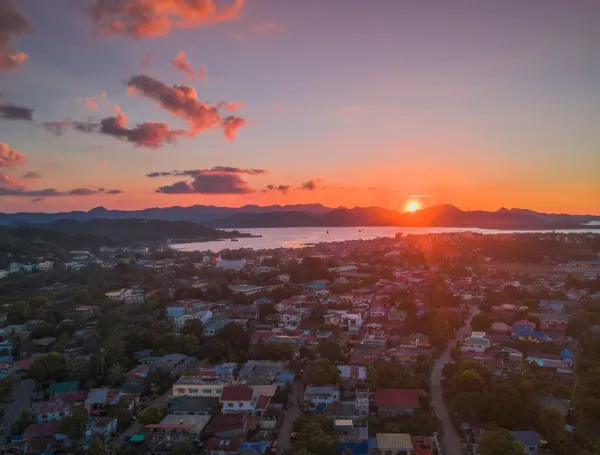
Renting in Dumaguete: Houses, Apartments and Condos – What You Need to Know

Almost everyone who moves to Dumaguete starts out renting – and that's a good thing. A few months as a tenant teach you which neighborhoods get noisy at night, which streets flood when it rains, and how far you really want to drive to the market. When you buy later, you buy with a clear head. In this guide we explain what houses, apartments and condos cost in Dumaguete and nearby towns, how a lease works here and what to check when you view a place. The prices come from our own current rental listings.
What you can rent
The rental market in Dumaguete is smaller and more personal than in Manila or Cebu. A lot happens through friends, Facebook and local agents. Broadly, there are five types of rentals:
- House and lot: a detached house, often with a wall and a gate, sometimes with a garden. The favorite for couples, families and anyone who wants quiet.
- Apartment, duplex or townhouse: several units on one lot or in a row, often inside gated subdivisions with a guard.
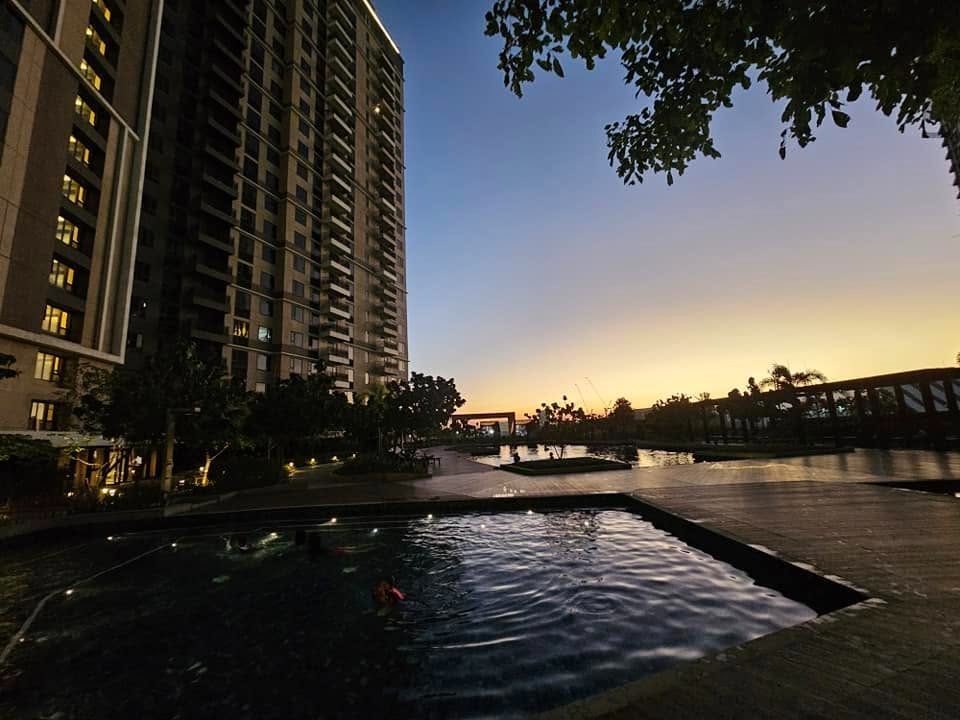
- Condo: a unit in a building with shared facilities. Dumaguete itself has only a few condo buildings – the big condo market is in Cebu.
- Rooms and boarding houses: simple rooms, mostly around Silliman University. Cheap, but made for students.
- Monthly Airbnb stays: more expensive, but flexible and ready to move in – ideal for your first weeks until you find something long-term.
You can find our current rentals here.
How much rent costs in Dumaguete
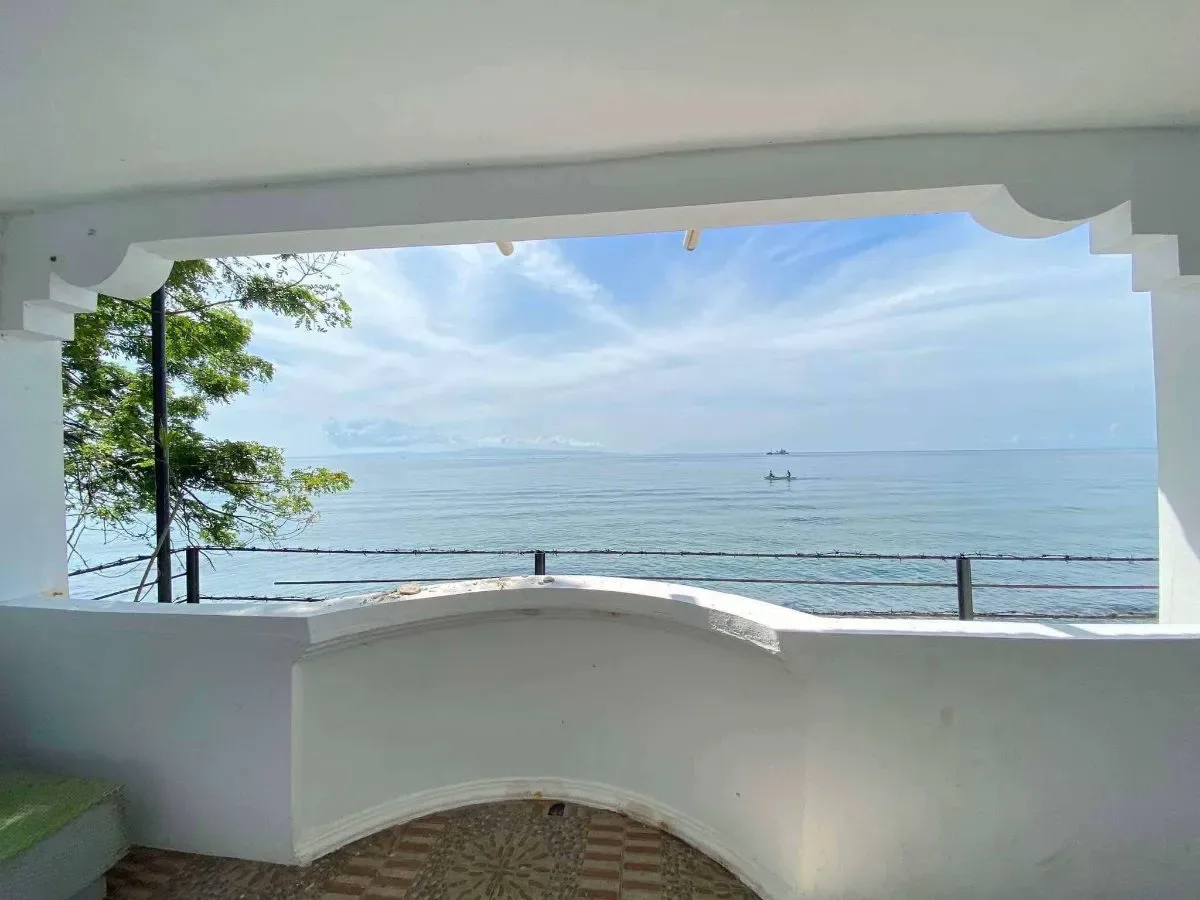 Our 15 current rentals in Negros Oriental range from ₱13,000 to ₱50,000 a month (about $210 to $800). The median is ₱27,000 (around $430), and half of all listings fall between ₱20,000 and ₱30,000. Almost all of them are furnished and set up for expats – with air conditioning, hot water and often WiFi.
| Type | Typical rent per month | Examples from our listings |
|---|---|---|
| Studio or 1 bedroom | ₱13,500–20,000 ($215–320) | Furnished studio in Dumaguete City, apartment near the Bacong waterfront |
| House or apartment, 2 bedrooms | ₱13,000–30,000 ($210–480) | House near Mangnao Beach, new house in Aldea Homes (Sibulan), duplex in Richwood Homes |
| House, 3 bedrooms | ₱25,000–50,000 ($400–800) | Bungalow near Silliman, family house in Dauin, house with a large garden in Dauin |
| Beachfront apartment | around ₱30,000 ($480) | Beach apartment in Bacong |
To be honest: it can be cheaper. Simple, unfurnished apartments and rooms in the Silliman area start at around ₱6,000 a month. What you usually give up is air conditioning, hot water and safe parking – things most expats don't want to miss after their first hot month.
What pushes the price up
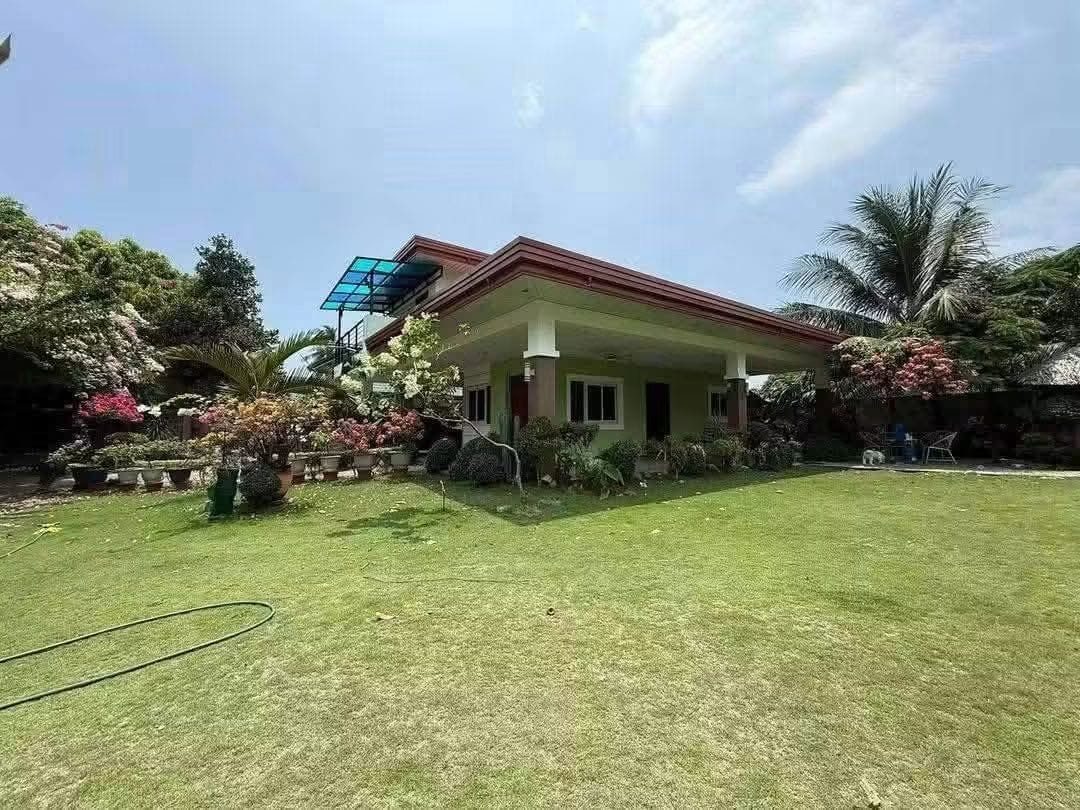
- The sea: Rizal Boulevard, Bacong and Dauin cost more than inland neighborhoods.
- Gated subdivisions: a gate, a guard and well-kept streets come at a price.
- Furnished with aircon: a fully equipped house easily costs a third more than the same house empty.
- Valencia sits higher up and is a few degrees cooler – but you're 20 to 30 minutes from the city.
Which town suits which lifestyle, we describe in detail in The best places to live in Negros Oriental.
Utilities: what to budget for
Electricity, water and internet are usually not included in the rent. It's still worth asking – some furnished units include water or WiFi.
| Item | Per month | Note |
|---|---|---|
| Electricity | ₱2,000–8,000 | depends almost entirely on the aircon |
| Water | ₱300–800 | cheap; a water pump adds a little to the power bill |
| Internet (fiber) | ₱1,300–2,500 | PLDT, Globe or Converge – check first whether the street is connected |
| Cooking gas | ₱600–900 | per 11 kg tank, lasts several weeks |
An example for electricity: NORECO II, the power cooperative in Dumaguete, currently charges around ₱14 per kilowatt hour. A modern 1.5 HP inverter aircon running eight hours a day uses roughly 190 kWh a month – about ₱2,700 for that one unit. With two units running day and night, you quickly reach ₱8,000 or more. You'll find more numbers in Cost of living in the Philippines 2026.
How a lease works in the Philippines
A lease contract here is much simpler than in Europe or the US – usually two to four pages in English. These points are standard:
- Term: usually 6 or 12 months. Shorter terms are possible but often cost more.
- Advance and deposit: the norm is one month in advance and two months' deposit. So on move-in day you pay three months' rent at once.
- Payment: cash, bank transfer or GCash. In bigger cities, landlords often ask for post-dated checks for the whole term.
- Utilities: the lease should say who pays electricity, water, internet and repairs.
- Ending early: write down how much notice you need to give and what happens to the deposit.
What the law says
 The Philippine Rent Control Act (RA 9653) limits the advance to one month and the deposit to two months, and only allows small yearly increases – 1% for 2026. However, outside Metro Manila and the highly urbanized cities it only covers rents of up to ₱5,000 a month. Most houses and apartments expats rent are above that. For those, what's in the contract counts – along with the general Civil Code. That's why a clear contract matters.
About the deposit: it may only be kept for unpaid rent and real damage, not for normal wear and tear like faded paint. Take photos of every room on move-in day and get any defects noted in writing. When you move out, you inspect the place together, and the deposit usually comes back within two to four weeks.
Can foreigners rent?
Yes, without any restrictions. Renting is just as open to foreigners as to Filipinos, and you don't need a special visa for it. Many landlords will ask for a copy of your passport. How long you may stay in the country depends on your visa, not on your lease – more on that in our complete guide to emigrating to the Philippines.
What to check when you view a place
Online photos rarely show what matters in daily life. Take your time at the viewing and check these points:
- Water: turn on the shower and the taps. How is the pressure? Is there a water tank with a pump in case the supply stops?
- Brownouts: ask the neighbors how often the power goes out. A connection for a generator or an inverter battery is a real plus.
- Internet: is there fiber in the street? Ask which provider and test the signal with your phone.
- Aircon: inverter units save a lot of power. Old window units are loud and expensive to run.
- Flooding: ask whether the street floods in heavy rain. Water marks low on the walls tell you a lot.
- Humidity and mold: look inside cabinets, behind furniture and in bathroom corners.
- Noise: roosters crow early, dogs bark at night, and karaoke is a weekend sport. If you can, come back once in the evening.
- Insects: are there screens on windows and doors?
- Security: wall, gate, window grills, lighting – and a lockable spot for your car or motorbike.
- Distances: how long to the market, the hospital and downtown? Without your own vehicle, some areas leave you depending on tricycles.
Watch out for scams
Especially on Facebook, rental listings keep appearing that don't exist. The pattern is almost always the same: a beautiful house at a suspiciously low price, a "landlord" who happens to be abroad, and a request to send a reservation fee in advance.
- Never pay before you've seen the place – in person or on a live video call where someone walks you through the rooms.
- Check who is renting it out: ask for proof that the person is the owner or authorized by the owner.
- Too cheap is suspicious: if an offer is far below the prices above, ask extra questions.
- Receipts: get every payment confirmed in writing.
How to spot dodgy property deals in general, we explain in How do I spot dodgy property deals and fake land titles?
Our advice: rent first, then buy
We recommend that almost everyone moving to Dumaguete rents for six to twelve months first. In that time you find out whether you prefer life by the sea or in the cooler hills of Valencia, how far you really want to drive to the supermarket and what the neighborhood is like. Whoever buys after that buys with experience instead of a vacation feeling. How buying works for foreigners, we explain in Buying a House in the Philippines.
We help you find a place
Genessa lives in Dumaguete and knows the landlords, the neighborhoods and the pitfalls. She shows you places in person or on a video call – even while you're still abroad. You'll find all current offers on our For Rent page.
Frequently asked questions
How much does it cost to rent a house in Dumaguete?
Furnished houses and apartments for expats usually cost ₱20,000 to ₱30,000 a month (about $320 to $480). Simple houses start at around ₱13,000, large houses with a garden go up to ₱50,000.
How much deposit is normal?
One month in advance and two months' deposit is standard. So on move-in day you pay three months' rent.
Are electricity and water included in the rent?
Usually not. Budget ₱2,000 to ₱8,000 for electricity, depending on your aircon, and ₱300 to ₱800 for water per month.
Can foreigners rent property in the Philippines?
Yes, without restrictions. Most landlords will want a copy of your passport. Your stay itself depends on your visa.
Can I rent a place before I arrive?
Yes, with a video viewing. But only pay a verified landlord or agent, and never send a reservation fee for a place nobody has shown you live.