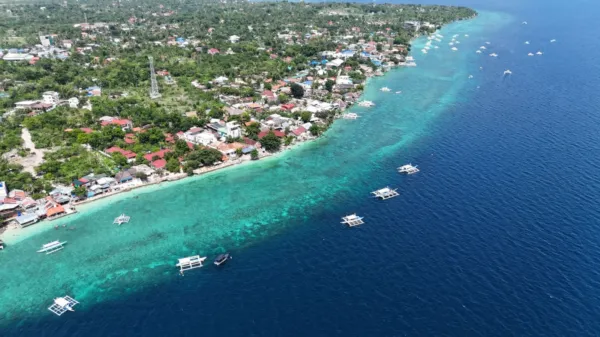
Discover Negros: The Best Places, Hidden Gems and Sights
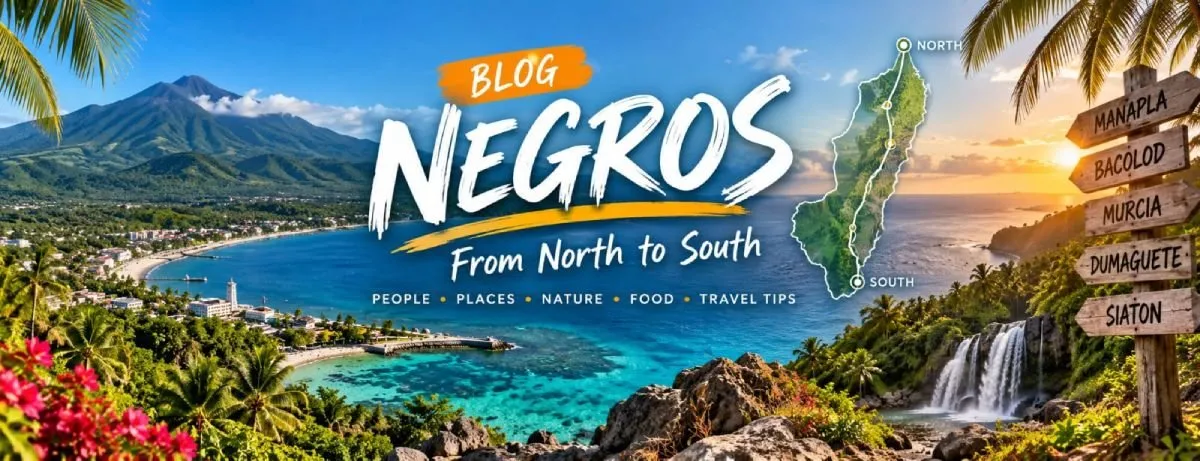
Ask visitors what they know about Negros and you'll usually hear the same thing: Dumaguete. Maybe Apo Island with its turtles, and the dolphins off Bais. All lovely, but honestly, that's only a small slice of it.
Negros is the fourth-largest island in the Philippines. It has old sugar baron mansions and ruins that glow in the evening light, empty beaches, mangroves, coral reefs, waterfalls, crater lakes, caves, and Kanlaon, the highest mountain in the Visayas and an active volcano. We live here and we still keep finding new places.
In this article we take you right across the island, from north to south. With our favourite spots, honest tips, and a suggested one-week route.
Two provinces, two worlds
Negros sits in the middle of the Visayas, between Panay to the west and Cebu to the east. A long mountain range runs down the whole island and splits it in two, and not just geographically.
- Negros Occidental in the west, centred on Bacolod. Sugar has been grown here for generations, and you can still see it everywhere: endless cane fields, grand old houses, a food culture of its own. People mostly speak Hiligaynon (Ilonggo).
- Negros Oriental in the east, with Dumaguete as its capital. Smaller and more laid-back, with a university-town feel, dive sites, and mountains rising right behind the coast. Here people speak Cebuano.
Since 2024, both provinces and Siquijor together form the new Negros Island Region. For visitors that changes little, but it shows the island is growing together.
1. The north: mangroves and small islands
Sagay and the marine reserve
Sagay City lies at the very top of Negros Occidental. Most tourists just drive past, which is a mistake. Offshore is the Sagay Marine Reserve, one of the most important marine protected areas in the region, with reefs, seagrass beds and sandbars.
On Suyac Island, a boardwalk runs through a mangrove forest. A real change from hotel beaches and promenades. Go with a local guide and stick to the rules: this isn't a photo studio, it's a fragile habitat that local fishermen depend on.
San Carlos and Sipaway Island
Further south on the east coast is San Carlos City, the ferry port for Cebu. Right in front of the town lies Sipaway Island: a few beaches, fishing villages, hardly any traffic. Perfect for a day of doing absolutely nothing.
Who's it for? Anyone who likes nature and small places, and enjoys being where tour buses don't stop.
2. The west: Bacolod, sugar barons and chicken inasal
Bacolod – the City of Smiles
Bacolod calls itself the "City of Smiles", and it fits. It's bigger and busier than Dumaguete, but still pleasant. It's famous for the MassKara Festival every October: colourful smiling masks, street dancing and music late into the night.
And for chicken inasal: chicken marinated in vinegar, calamansi and annatto, grilled over charcoal, served with rice and the orange chicken oil. Sounds simple. Here it's practically a religion. Eat it where the locals eat.
If you want to understand why Negros turned out the way it did, visit the Negros Museum. It tells the story of sugar, wealth, poverty and the island's history.
The Ruins – the icon of Negros
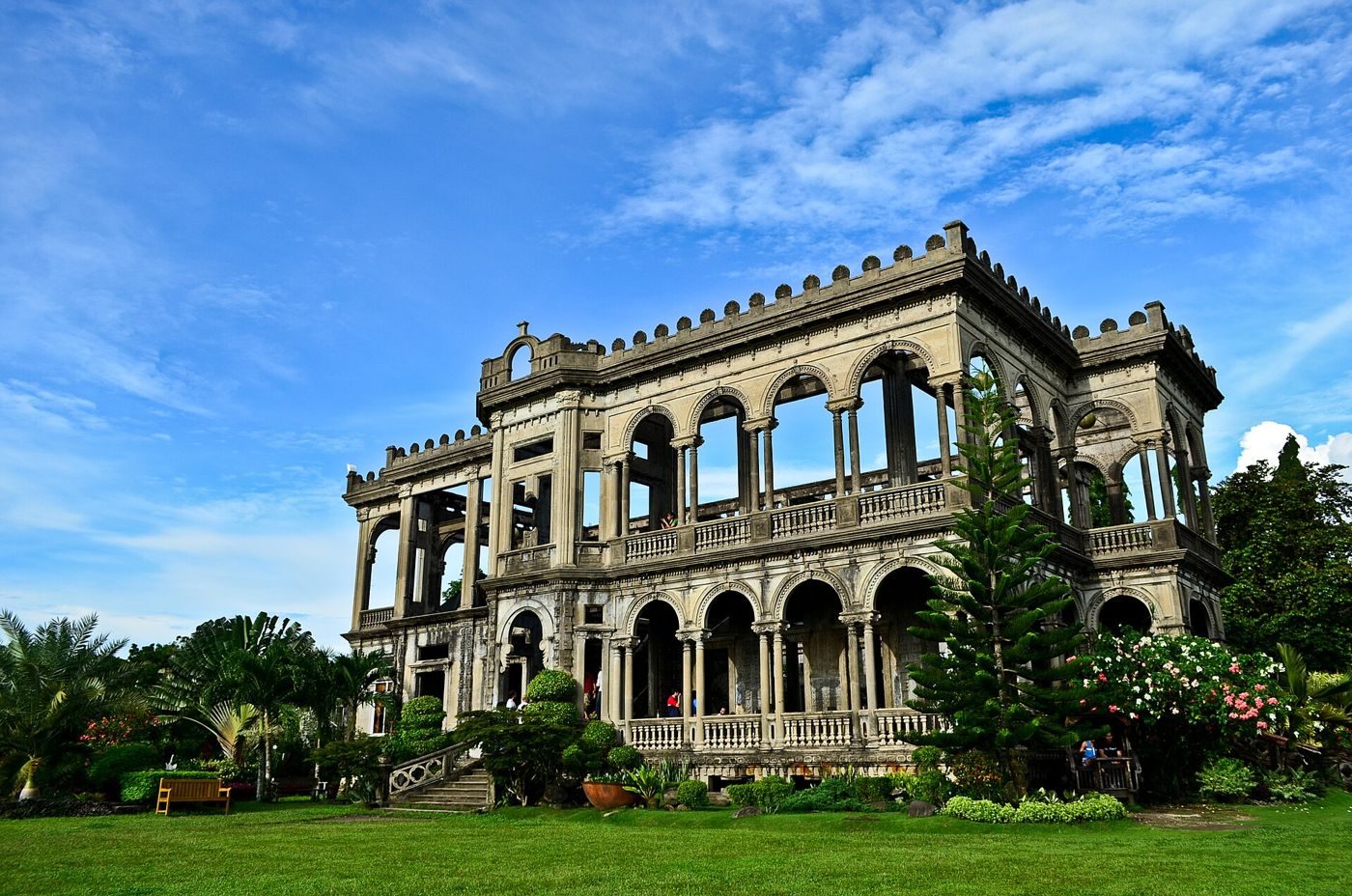
A few kilometres out of town, in Talisay, stands The Ruins: what's left of a mansion a sugar baron built for his wife in the early 20th century. The house burned down during the Second World War. The columns and arches survived.
Our tip: come in the late afternoon. When the sun is low and the lights come on in the evening, you'll understand why almost everyone takes their photo here.
Silay – the "Paris of Negros"
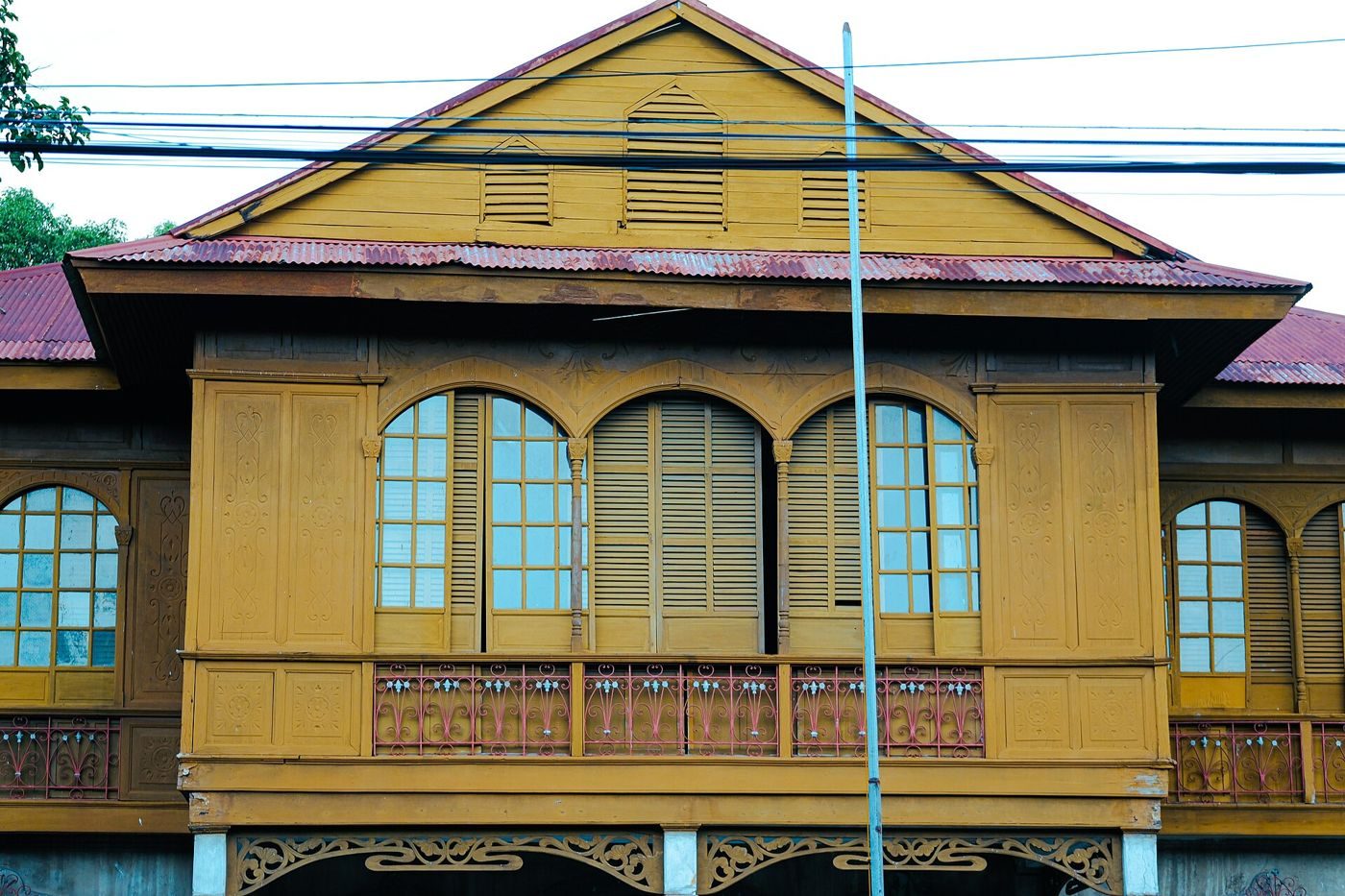
North of Bacolod lies Silay, often called the "Paris of Negros" for its culture and old houses. Dozens of heritage homes from the sugar era are still standing.
The best known is Balay Negrense, now a museum. Walking through the high-ceilinged rooms with their wooden floors and old furniture gives you a good idea of how the wealthy families lived back then. Silay makes an easy half-day trip from Bacolod.
3. The highlands: cool air and waterfalls
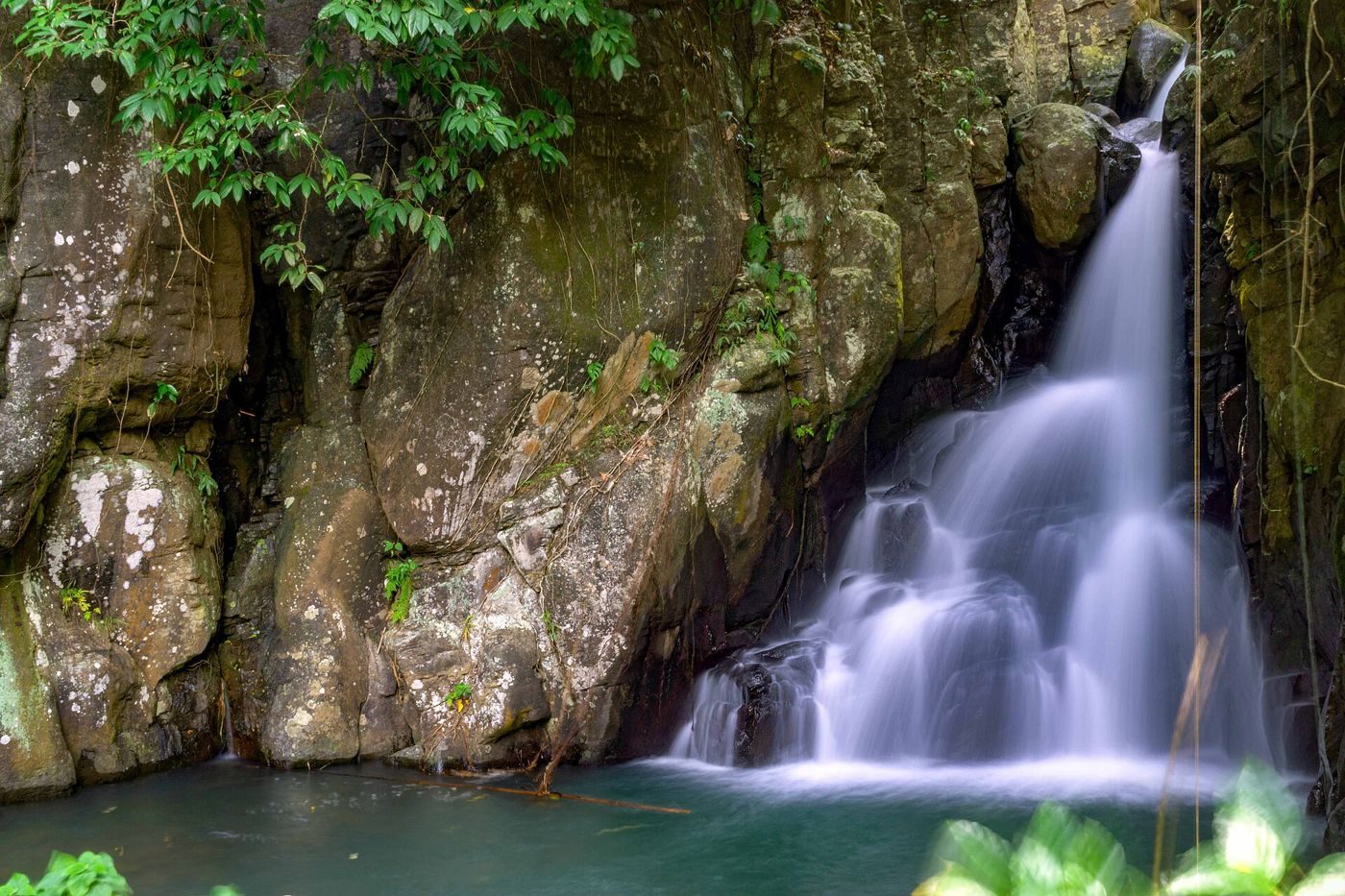
Drive inland from Bacolod and everything changes: the roads get twisty, the air gets fresher, and the sugar cane gives way to forest and vegetable fields.
Mambukal – waterfalls at the foot of the volcano
Mambukal Mountain Resort near Murcia sits on the slopes of Kanlaon. A trail leads past several waterfalls, there are sulphur springs and lots of green. Ideal for a day in nature without committing to a mountain hike.
Salvador Benedicto – cool hill country
Between Bacolod and San Carlos, up in the mountains, is Salvador Benedicto. It's noticeably cooler here. The roads wind through green hills, with wide views over the valleys in many places. The drive alone is worth it.
A word about Kanlaon
Kanlaon is the highest mountain in the Visayas, and an active volcano that last erupted in 2024. Depending on the alert level, there are exclusion zones. If you're travelling in the area, check the current status with PHIVOLCS, the Philippine volcano agency, before you go.
4. The southwest: Sipalay and quiet beaches
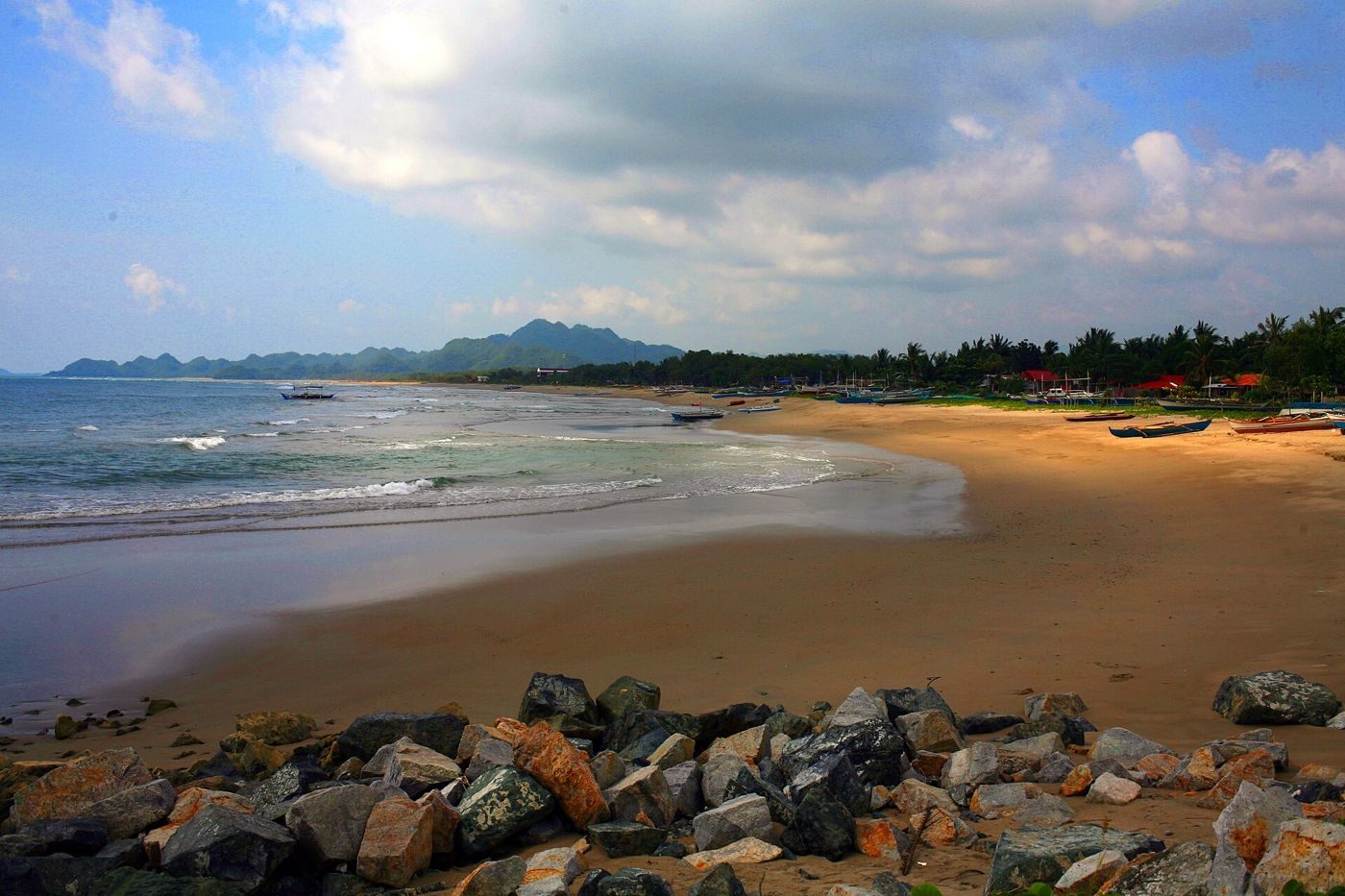
Sipalay and Sugar Beach
If you're after a proper beach holiday on Negros, you'll end up in Sipalay sooner or later. Bays, small islands, rocks, and a pace of life that takes over by itself after two days.
The best known spot is Sugar Beach: a long stretch of golden-brown sand, a few small resorts, no high-rises. You usually get there by boat, or on foot across the river at low tide. Swimming, kayaking, snorkelling, sunset. That's all the programme you need.
Around Sipalay there are also small hidden coves like Tinagong Dagat ("hidden sea"), best explored with a local boatman.
Danjugan Island
Off the coast of Cauayan lies Danjugan Island, a nature reserve with reefs, forest and lagoons, looked after by a conservation foundation. Visits are only possible through the operators, and numbers are limited. That's deliberate: protecting the island comes first.
Our tip: Don't treat Sipalay as a quick stopover. Two or three nights is the minimum, or you'll spend more time on the bus than on the beach.
5. The southeast: Dumaguete, Valencia and Apo Island
Dumaguete – our home
For many people Dumaguete is their first taste of Negros. For us, it's home. A university town of around 140,000 people, with four big universities, cafés, markets and Rizal Boulevard along the sea, where half the city goes for a walk in the evening.
It's small enough to find your way around quickly and big enough to have everything: hospitals, malls, international restaurants. No wonder so many foreigners settle here. It's also the perfect base for trips further south.
Valencia – waterfalls and hot springs
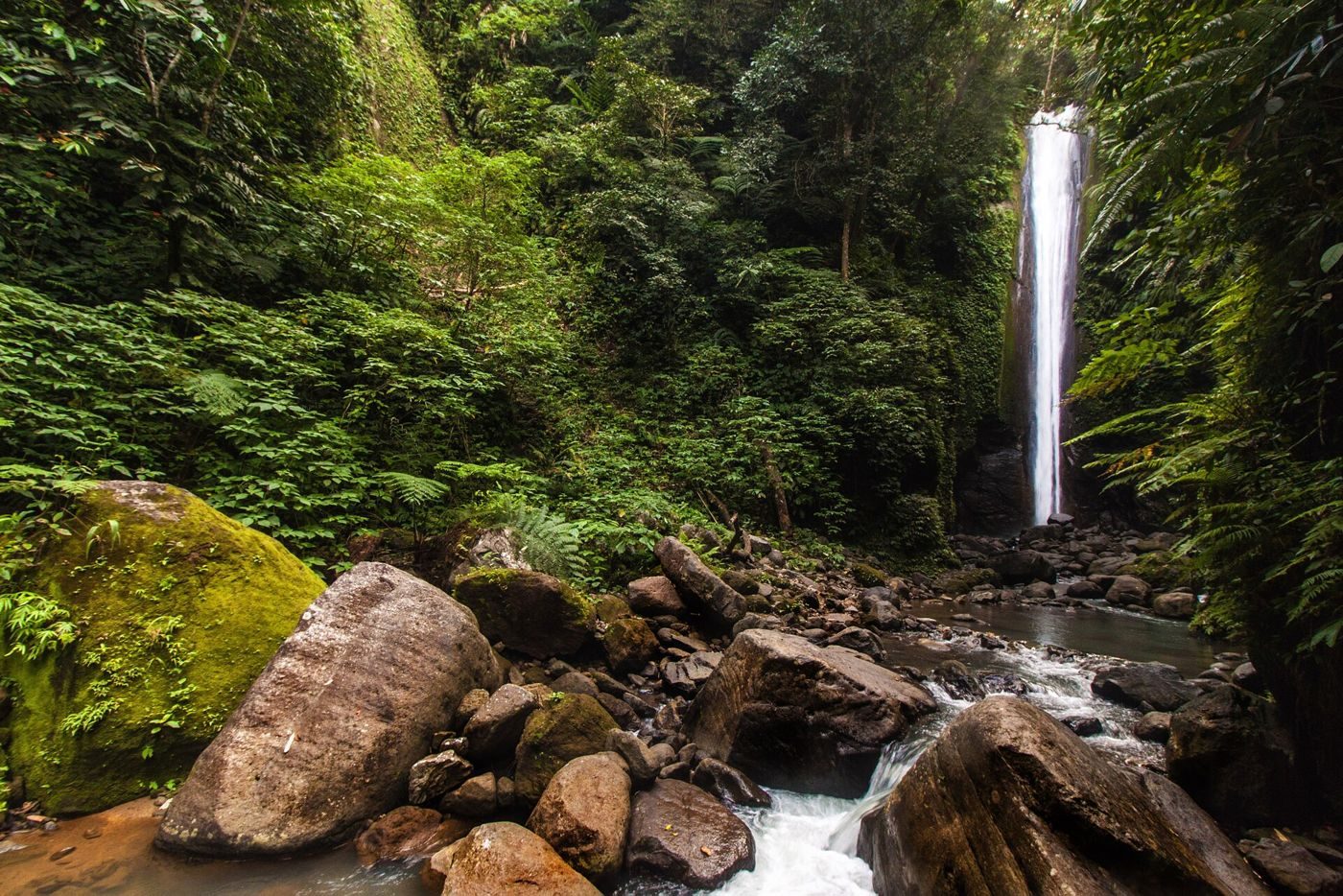
Half an hour up the hill is Valencia: greener, quieter and a few degrees cooler than the coast. Two of the most beautiful waterfalls in the area are hidden here:
- Casaroro Falls: spectacular, but hard work. Lots of steep steps and a path over rocks. Slippery in the rain. After heavy rainfall, better leave it for another day.
- Pulangbato Falls: known for its reddish rocks. There are hot sulphur springs nearby.
The Twin Lakes – rainforest above the clouds
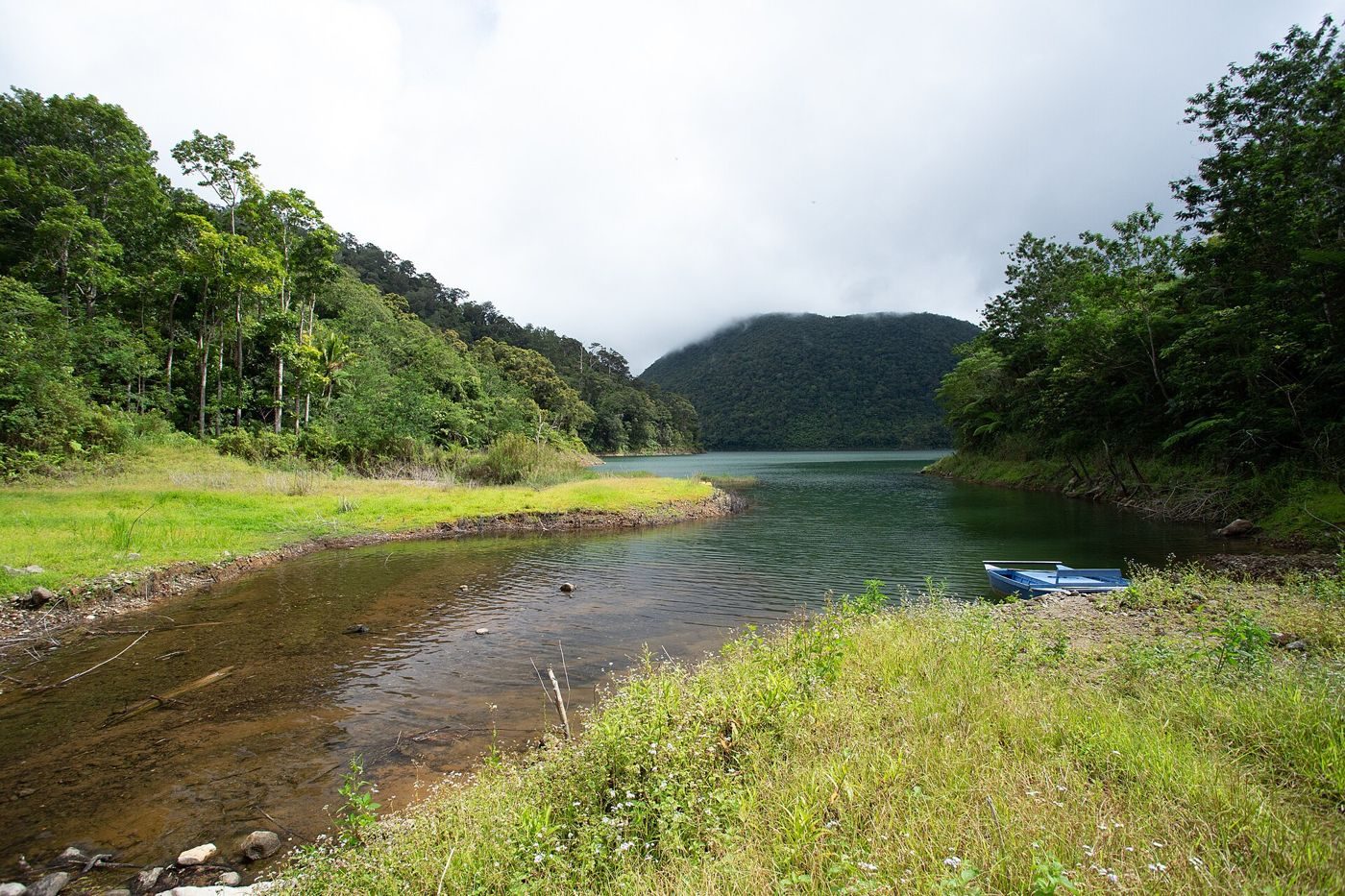
Up in the mountains northwest of Dumaguete are the Balinsasayao Twin Lakes, two crater lakes in the middle of the rainforest. You can paddle a kayak, watch birds, or just sit on the terrace and look out into the mist. The road up is steep and winding, so if you drive yourself, you should have some experience.
Apo Island – swimming with turtles
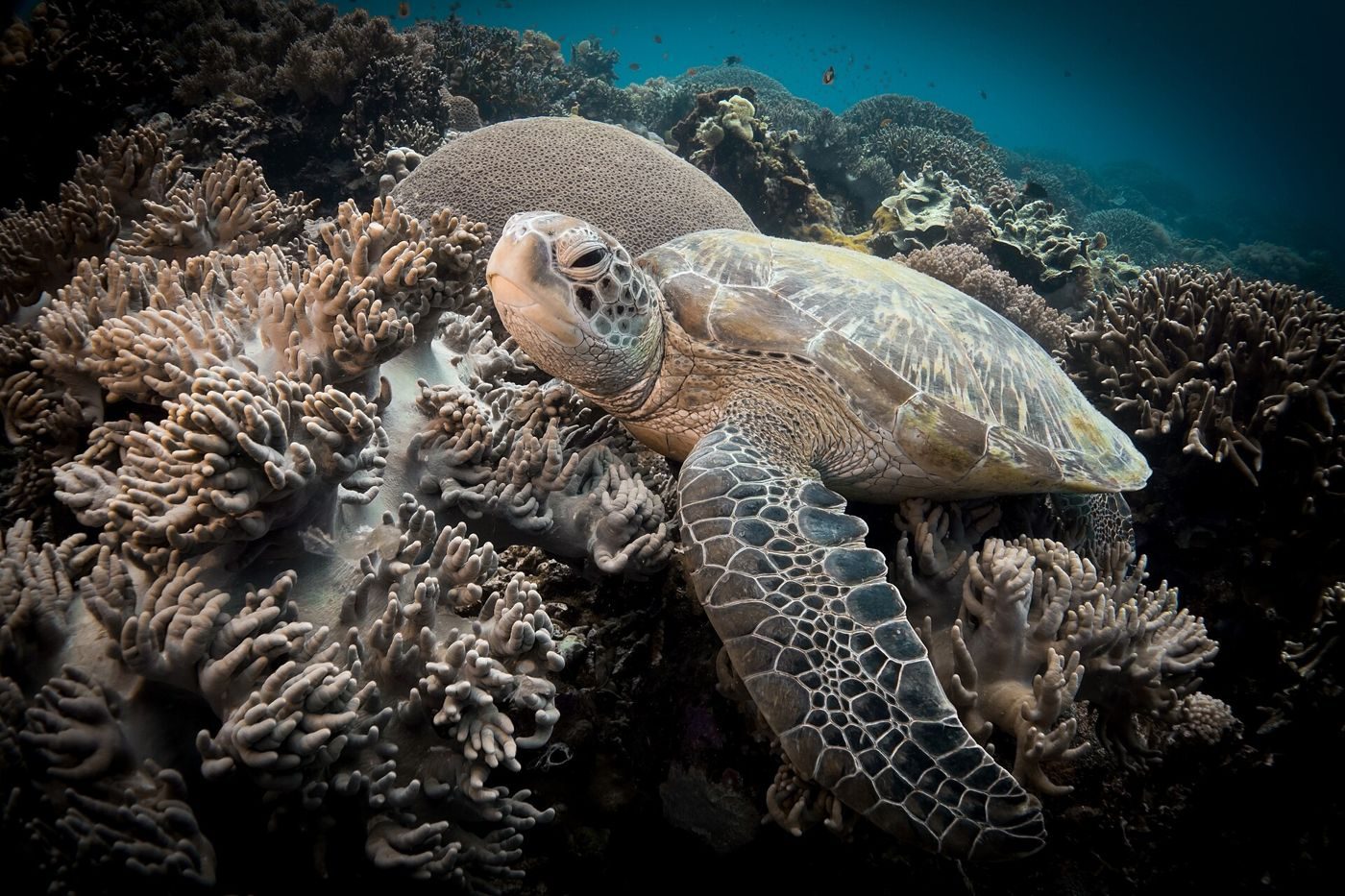
Apo Island is the best-known destination in the region, and rightly so. The little island has been a marine sanctuary for decades, managed by the community itself. You can see the result underwater: healthy corals, countless fish, and sea turtles that often graze close to the beach.
Boats usually leave from Malatapay near Zamboanguita, about an hour south of Dumaguete. A few rules that really matter: don't touch the turtles, don't chase them, don't stand on the coral. And you don't need to dive. Snorkelling is plenty.
Our tip: Go on a Wednesday. That's market day in Malatapay, with livestock, fish and lechon. An experience in itself.
6. North of Dumaguete: dolphins, a sandbar and caves
Bais and the dolphins
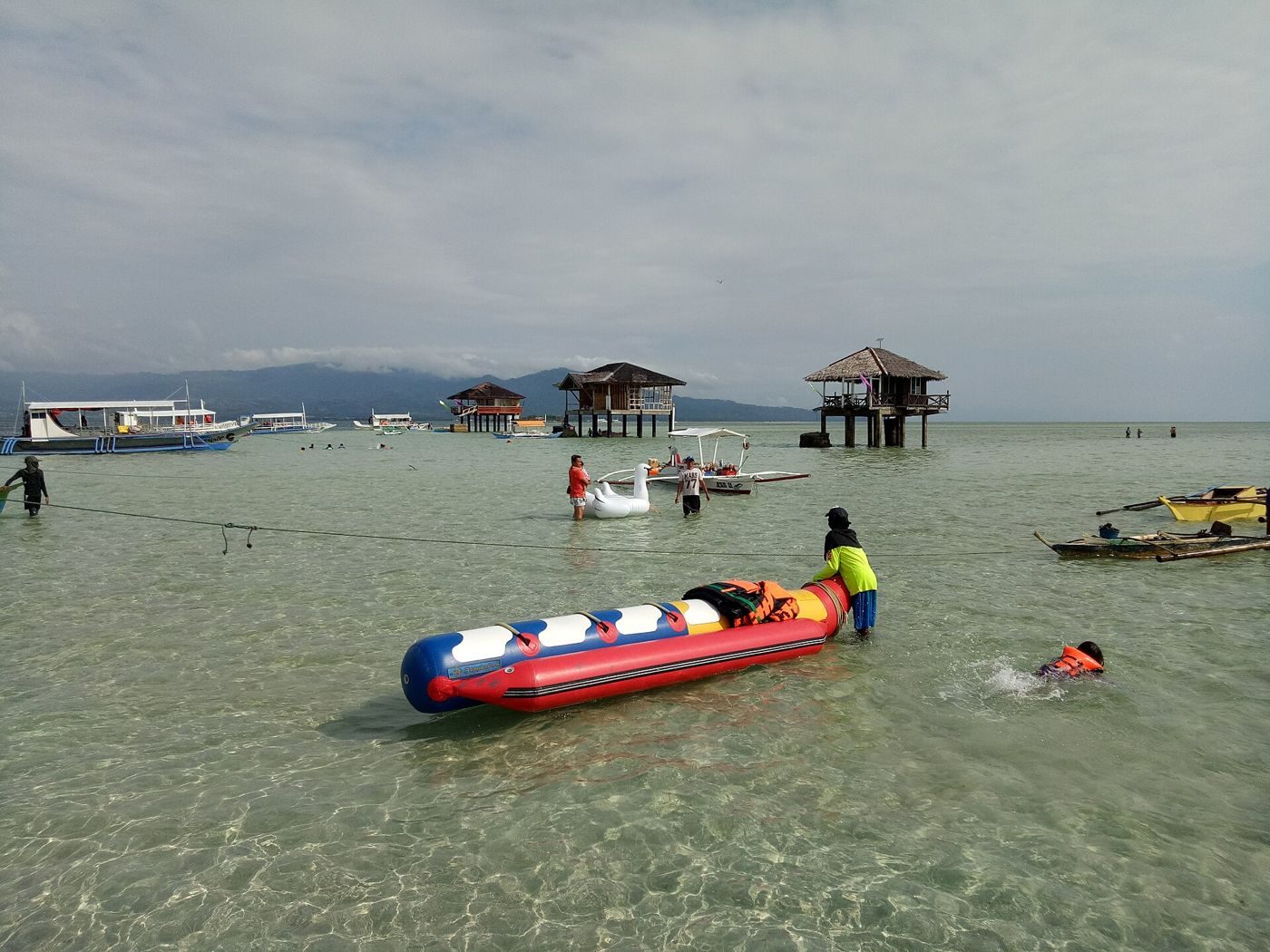
In the morning, boats leave Bais for the Tañon Strait, the channel between Negros and Cebu. With a bit of luck you'll see dolphins, sometimes whole pods. There's no guarantee. They're wild animals. Good operators keep their distance and don't chase them.
The Manjuyod White Sandbar
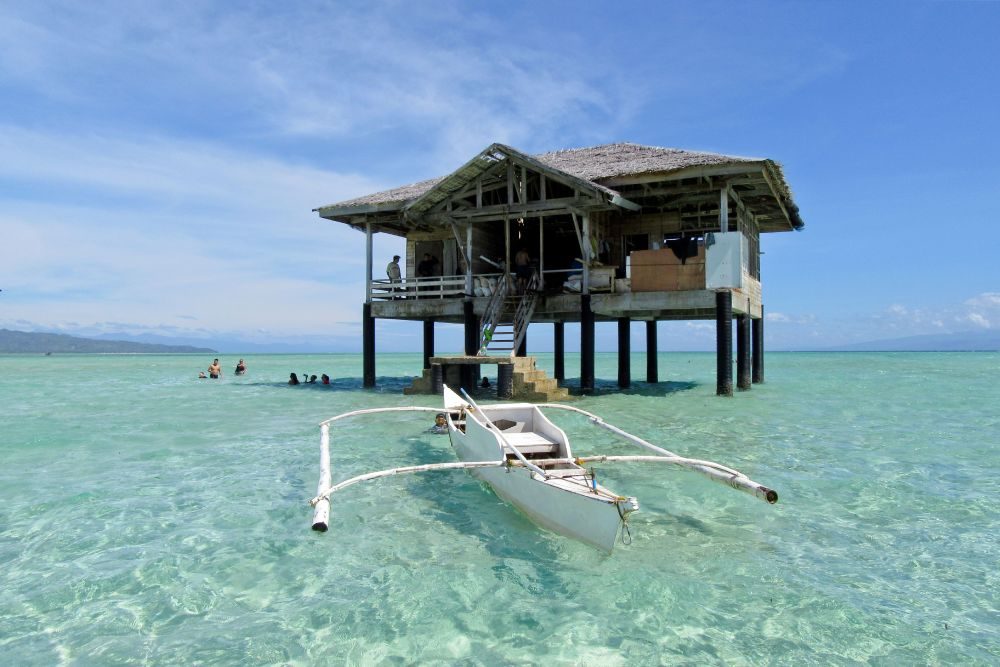
The dolphin tour is usually combined with the Manjuyod Sandbar: a long white sandbank in the middle of the sea that only really appears at low tide. At high tide, the stilt houses seem to stand in the water. Check the tide table first, or you'll be standing in the sea up to your hips.
Mabinay – cave country
Inland is Mabinay, known for its many limestone caves. Some are easy enough for beginners, others are proper adventures with climbing and crawling. Never go into a cave you don't know without a local guide.
7. Bonus: Siquijor, the island next door
From Dumaguete, Siquijor is just a ferry ride away. The little island is famous for its legends of healers and magic, and popular with travellers for its waterfalls, beaches and a ring road you can easily do in a day by motorbike. A perfect side trip if you live in Dumaguete. We've written more about it in Is Siquijor a dream place to live?
What makes Negros special
- Two sides of one island: sugar baron history in the west, sea and university life in the east.
- Sea and mountains: coral reefs, mangroves, waterfalls, crater lakes and a volcano, often only an hour apart.
- Food: chicken inasal in Bacolod, silvanas in Dumaguete, fresh fish at every market.
- For living: city, coast, cool hills. If you're thinking about a longer stay, there are very different places to call home.
How much time do I need?
Negros is bigger than it looks on the map. Bacolod to Dumaguete takes a good half day, depending on the route. If you want to see both the west and the east, plan at least a week.
A suggestion for one week:
- Day 1–2: Bacolod, The Ruins and Silay
- Day 3: Mambukal or Salvador Benedicto
- Day 4–5: Sipalay and the southwest coast
- Day 6: drive to Dumaguete, evening on Rizal Boulevard
- Day 7: Apo Island, Valencia or the Twin Lakes
More time? Add Sagay in the north, Bais and the dolphins, the caves of Mabinay and Siquijor. And honestly: fewer places and longer stays beats ticking off the whole island in a week.
Bottom line: Negros is a world of its own
Mangroves in the north, sugar baron mansions around Bacolod, empty beaches in Sipalay, reefs and waterfalls around Dumaguete. Negros has far more to offer than most people realise. And that's exactly what keeps us excited about living here.
If you're thinking about staying longer or moving here: Dumaguete, Valencia, Dauin and Sibulan are very different places to live. Genessa is happy to show you which area suits you, and which home is waiting for you there.
Sources and further information
Opening hours, entrance fees, tours and road conditions change. Please check before you travel.
- Provincial Government of Negros Oriental – attractions, Apo Island, Twin Lakes, caves.
- Provincial Government of Negros Occidental – tourism and culture in the west.
- Department of Tourism – philippines.travel – Dumaguete and the surrounding area.
- Negros.travel – waterfalls, dolphin watching, Manjuyod Sandbar.
- PHIVOLCS – current Kanlaon alert levels.
- Photos: Wikimedia Commons – author and licence in each caption.